
Blog • December 1, 2025 - Jaran Mellerud
Recently we hosted the most exciting bitcoin mining heat reuse Twitter space in history, featuring many of the world's biggest experts on the topic. This article gives a short summary of this fascinating discussion, spotlighting key projects and insights from industry leaders.
Bitcoin mining generates significant amounts of heat. Traditionally seen as a byproduct, this heat is now being harnessed to warm everything from greenhouses in Switzerland, buildings in Finland, beer brewing processes in Canada, and land-based fish farms in China. The practice not only propels bitcoin mining towards environmental friendliness but also enhances its economic viability, as the heat can be sold to offset electricity costs.
Jaran Mellerud from Hashlabs introduced their groundbreaking project in Finland that showcases how mining operations can recycle heat effectively, reducing substantially the environmental footprint and potentially lowering energy costs.
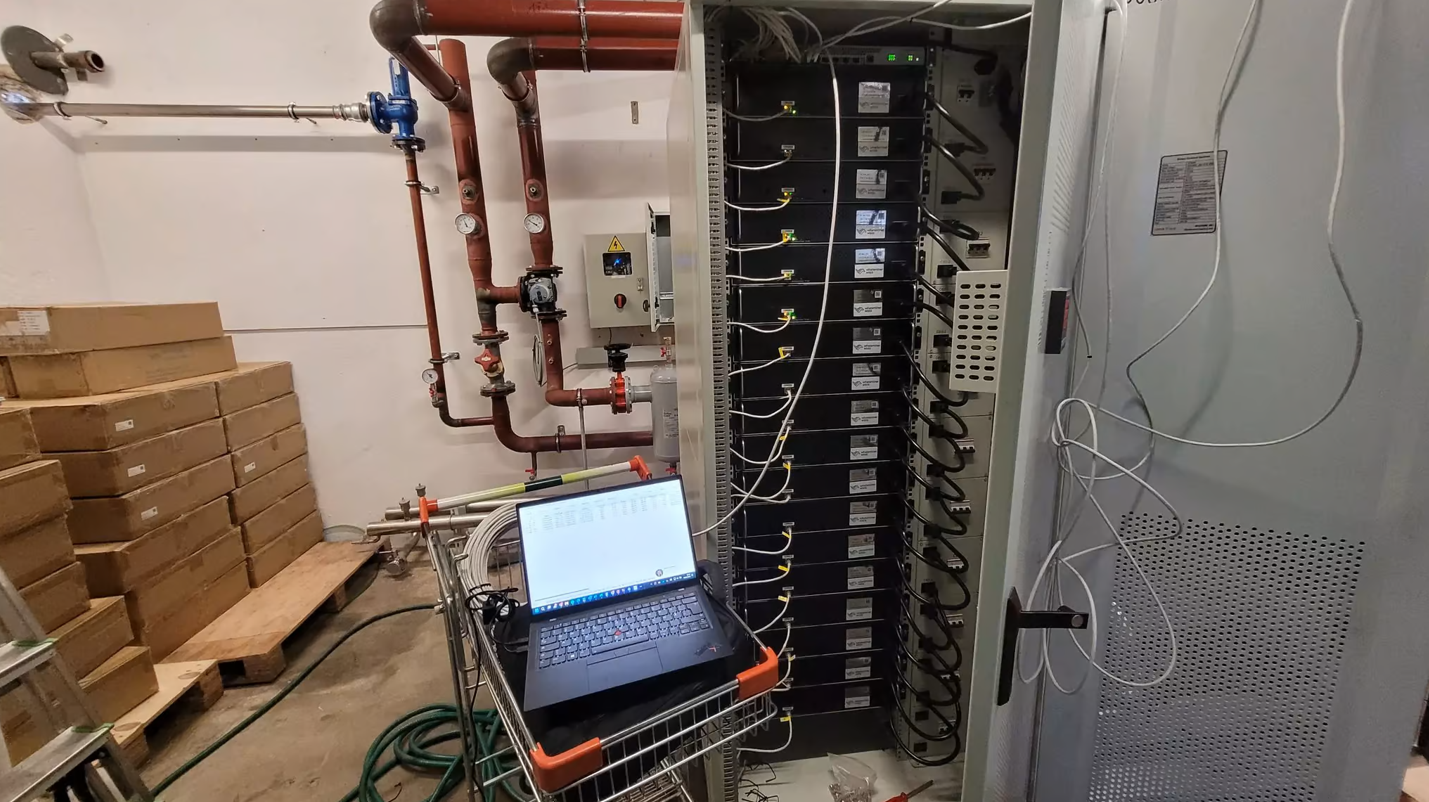
Hashlabs' 1.5 MW bitcoin mining heat reuse project, in partnership with Finnish engineers, warms a small Finnish town by using heat generated from bitcoin mining within a district heating system. Hydro-cooled M63S machines supply stable heat, which the district heating system then uses as baseload heat.

This project, along with similar initiatives in Finland, reduces the fuel consumption of district heating systems, thereby improving their economics, reducing carbon emissions, and enhancing energy security.
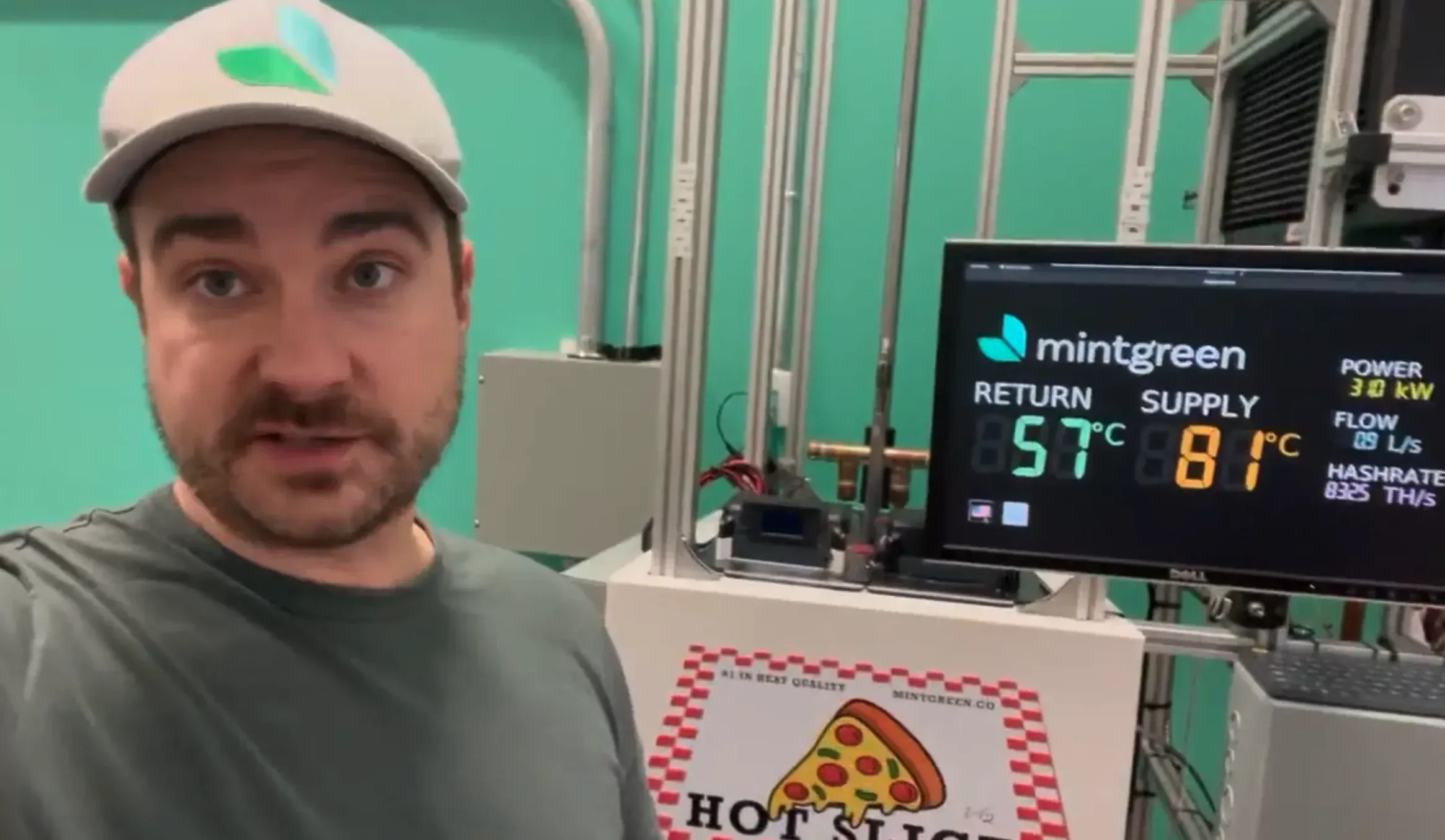
Colin Sullivan from MintGreen elaborated on their innovative Digital Boiler technology, which seamlessly integrates into both district heating and decentralized building heating systems, demonstrating the powerful synergy between bitcoin mining and sustainable energy solutions.
MintGreen's immersion-cooled system is versatile, and designed for various heating applications. During the Spaces discussion, Colin shared that MintGreen is now receiving interest from numerous cities for their heating solutions, even in places previously considered unsuitable for mining. This interest is driven by the economic viability provided by heat sales, making mining feasible in locations with traditionally high power prices.
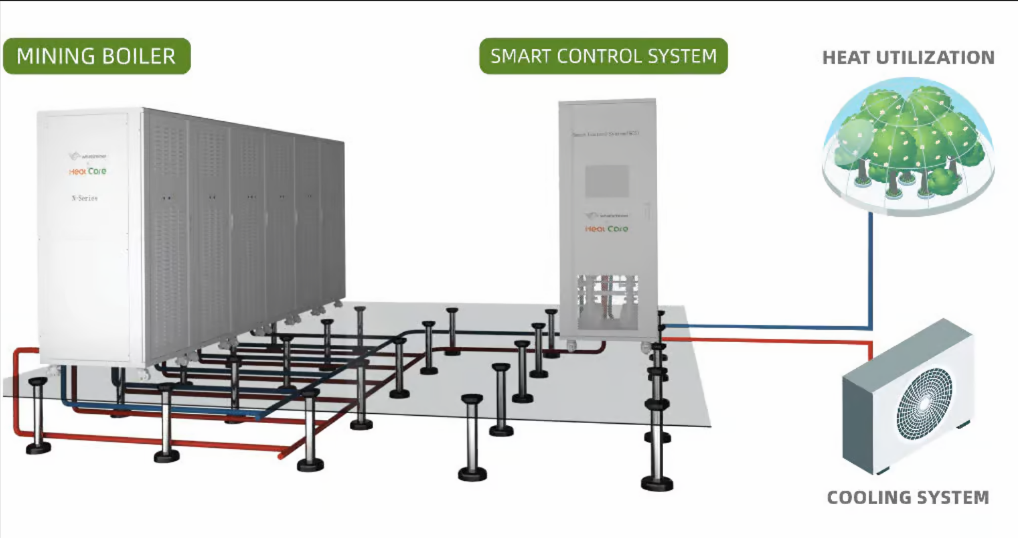
Puguang from HeatCore explained that HeatCore, a MicroBT-owned company, is dedicated to advancing the heat reuse technology and applications of this leading ASIC manufacturer. In essence, HeatCore designs and implements heat reuse solutions utilizing MicroBT machines.
The pioneering company began several years ago in China by heating a 20 MW district heating system through mining. Additionally, Puguang described how HeatCore has successfully used Bitcoin mining to heat fish farms in China, showcasing the versatility and efficiency of their heat reuse solutions.
Tim Zachow from GreenEdge explained how GreenEdge and HeatCore are collaborating to heat a large greenhouse in Switzerland using MicroBT machines.
This project significantly lowers heating costs for the greenhouse, reduces fuel consumption, and enables cost-competitive bitcoin mining in one of the world’s safest locations for GreenEdge.
Frederik Vyncke from Prosperity Digital explained how his company, in collaboration with Terahash, is heating the city of Basel in Switzerland through bitcoin mining. This project serves as a compelling example of how bitcoin mining can be used to heat entire cities.
With bitcoin mining under regulatory pressure in Europe, projects like these are crucial. They demonstrate to regulators and the public that bitcoin mining can be a valuable energy tool for beneficial purposes.

We look forward to learning more about this project as it progresses. Hopefully, its success will pave the way for more cities in Switzerland and across Europe to be heated by bitcoin mining.
As the heat reuse from the bitcoin mining practice gains traction, it not only addresses the environmental concerns associated with bitcoin but also enables miners to lower costs by selling heat and heat users to access cost-competitive heating solutions.
Bitcoin mining is an energy tool that can be utilized for innovative purposes, such as providing heat for cities, industrial processes, or food production. Our expert guests in the Twitter Space showcased various applications of this technology. Moreover, many other companies and individual miners are also making significant strides in heat reuse. We eagerly anticipate future discussions with even more participants!