Population
#7 worldwide
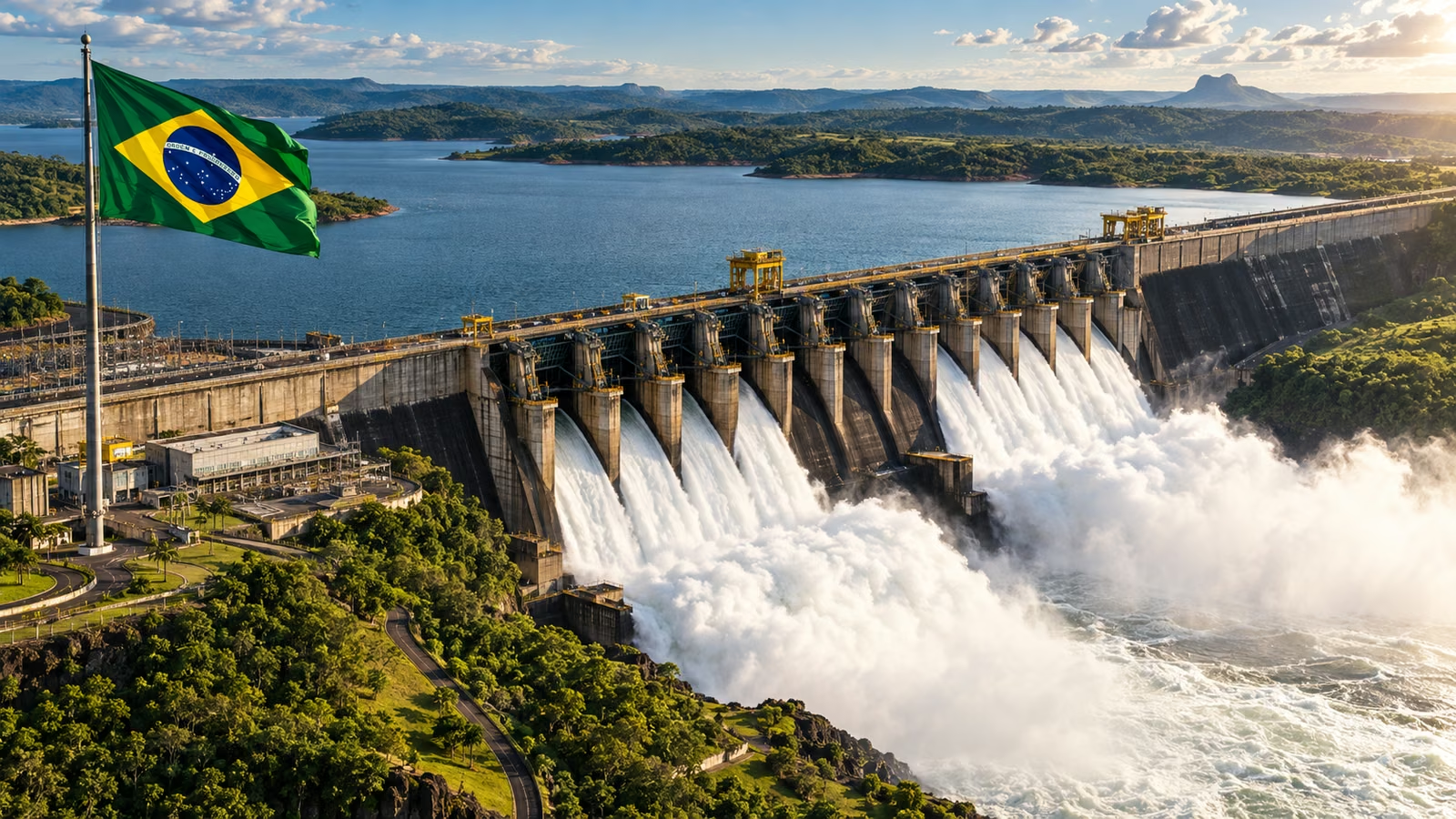
Illustrative hydropower image — not a Hashlabs facility.
Hashlabs offers Bitcoin miner hosting in Brazil through locally operated facilities powered by off-grid hydropower. Learn how the market works, how Hashlabs operates and which country-specific risks miners should consider.
Brazil at a glance
Brazil is one of the world's largest electricity markets, and 86.8% of its electricity supply comes from renewable sources. Its mix of hydropower, wind and solar gives Bitcoin miners more opportunities to operate close to generation.
#7 worldwide
#5 worldwide
#14 worldwide
Sources: IBGE population estimate , EPE Electricity Yearbook 2026 , and Ember global electricity data .
2025 electricity data; population estimated for 2026. EPE's capacity includes distributed generation, and its 86.8% figure is the renewable share of Brazil's electricity mix. Ember's renewable ranking compares generation shares.
Why it matters for mining
Bitcoin mines can operate close to generation. In a country as large as Brazil, this creates opportunities where renewable power has limited local demand.
Why Brazil
Brazil's opportunity comes from the interaction of renewable generation, negotiated power contracts, local autonomy and continental scale.
Hydropower dominates Brazil's electricity mix, while wind and solar continue to expand. Some regions have more generation than local demand or transmission can absorb.
Mining can locate beside generation, giving producers a dependable buyer and miners potential access to lower-cost renewable power.
Eligible consumers can negotiate bilateral power purchase agreements directly with generators or electricity traders, including price, contract length, volume and delivery terms.
Miners can secure power terms suited to a continuous load, creating more competitive pricing and longer-term cost visibility.
Power, taxation, permitting and infrastructure conditions differ across Brazil's states and municipalities.
Miners can compare jurisdictions and choose more suitable local conditions instead of relying on one centrally controlled market.
Brazil has a continental electricity system and many possible industrial locations. Bitcoin mining remains small relative to national power demand.
Projects have more room to expand in phases and are less likely to dominate the national energy debate.
Industry investment
In July 2025, Tether and Adecoagro announced an agreement to explore renewable-powered Bitcoin mining in Brazil. BITMAIN has also confirmed its presence in Brazil. Together, these developments show growing commercial interest in the country.
Source: Tether announcement
Hashlabs in Brazil
Hashlabs manages two mining facilities in Brazil, one in the Northeast and one in the Southwest.
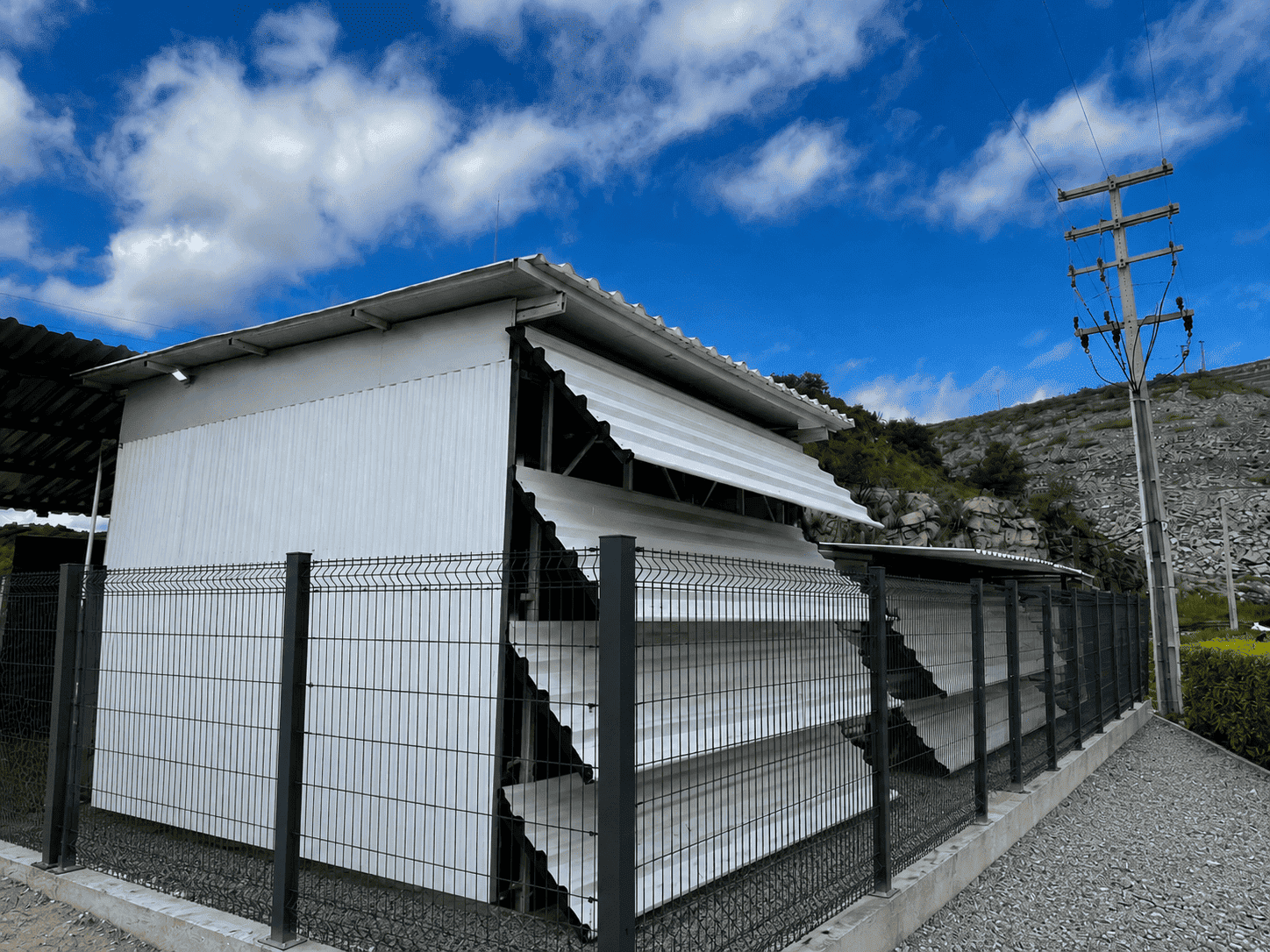
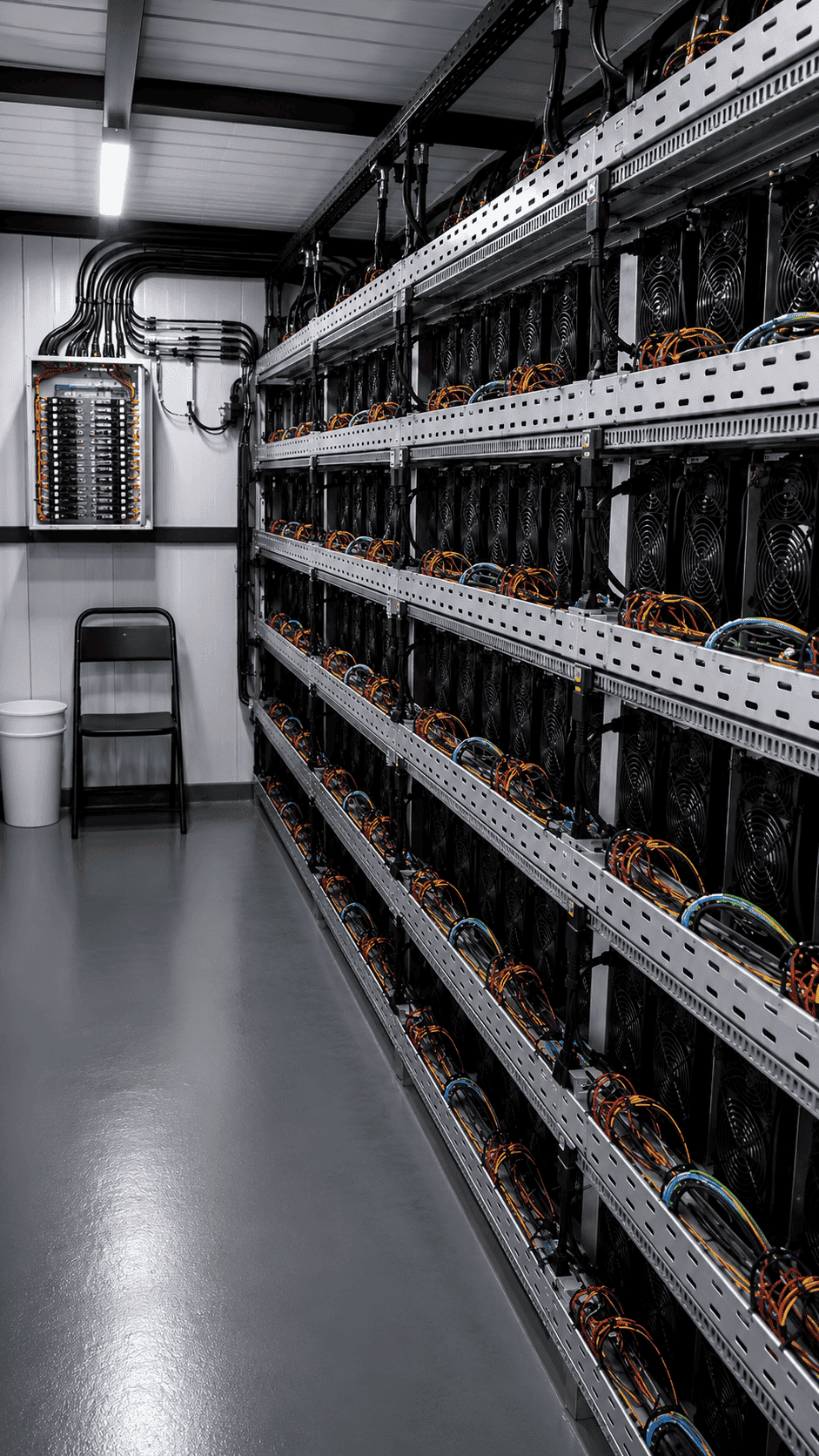
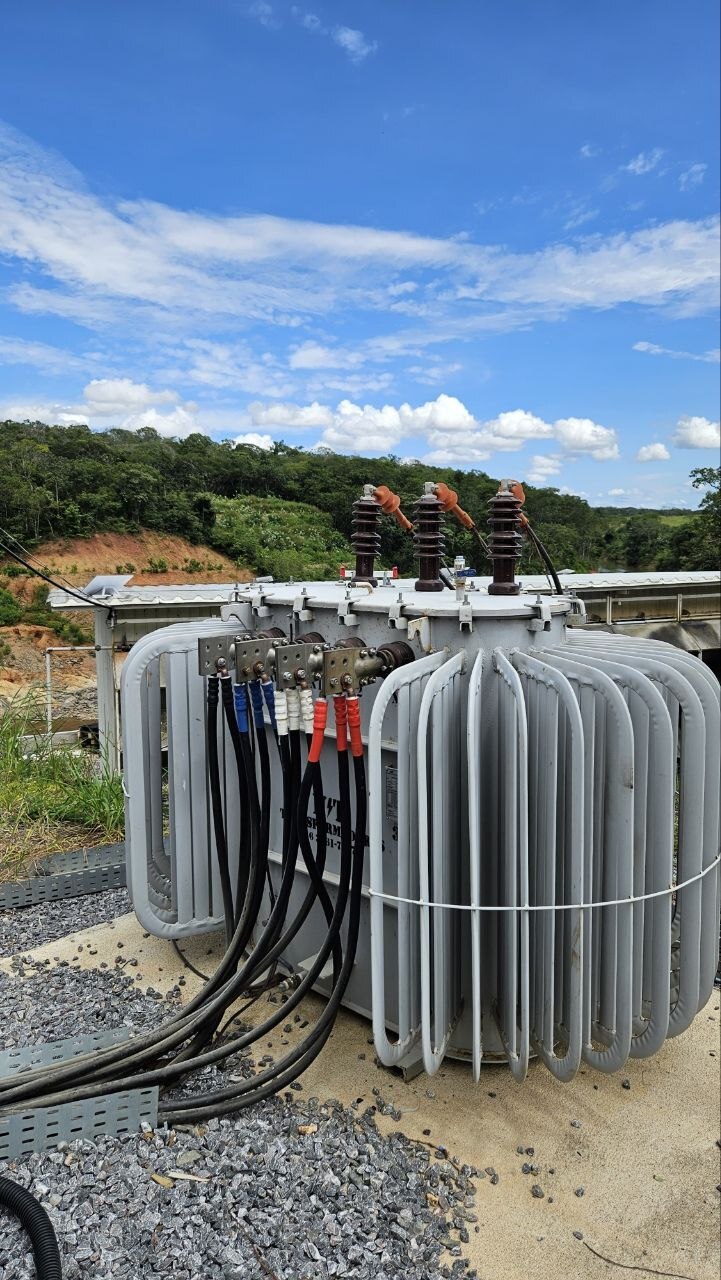
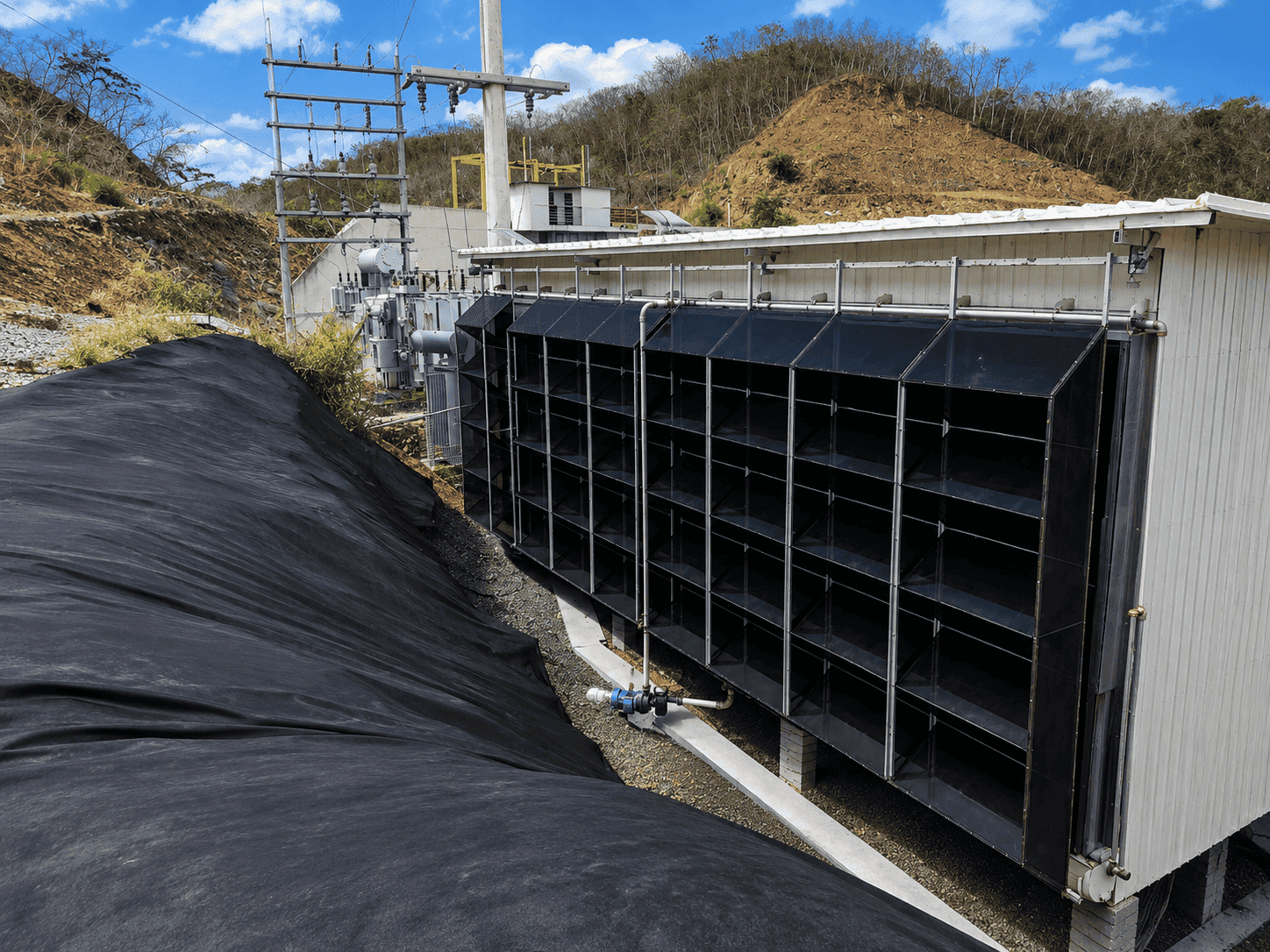
Electricity is purchased directly from small hydropower plants through off-grid arrangements. Mining is located near generation rather than relying on a standard public-grid connection.
Locally manufactured containers support air-cooled miners. Hydro-cooled systems use purpose-built infrastructure assessed separately for each site.
Sites use controlled physical access and 24/7 security. Equipment follows documented transport procedures, including armored transport where required.
Brazil-based technicians perform diagnostics, maintenance and hashboard repairs. Replacement fans are generally available locally, while PSU repair capability is still being developed.
Country-specific risks
These are the Brazil-specific risks Hashlabs addresses when developing and operating local Bitcoin mining facilities.
What can go wrongHydropower output can change with water conditions.
How Hashlabs mitigates itHashlabs designs each off-grid site around the plant's dependable dry-season output rather than peak generation. Sites are not built larger than the plant can normally supply during the dry season.
What can go wrongCustoms, duties, inland transport and spare-part availability can change cost and deployment time.
How Hashlabs mitigates itHashlabs works with Brazilian specialists on customs, taxes and local logistics, supported by its internal experience importing and deploying mining equipment across markets.
What can go wrongRemote, high-value equipment can attract physical theft.
How Hashlabs mitigates itExact site locations are not public. Hashlabs uses controlled access, 24/7 security and documented transport procedures.
Current Brazil hosting
Current miners, electricity rates, availability and hosting terms are maintained on the main hosting page.
Questions
Brazil has a large electricity system with a high share of renewable generation. Hydropower, expanding wind and solar capacity, regional transmission constraints and direct power agreements can create site-specific mining opportunities.
A mining site can purchase electricity directly from a nearby hydropower plant and operate independently from a standard public-grid connection. The arrangement still depends on hydrology, generation performance and local infrastructure.
The main Brazil-specific risks are hydrology, taxes and imports, and theft and scams. Hashlabs mitigates them through dry-season site sizing, Brazilian customs and logistics specialists, controlled access, 24/7 security and documented transport.
Hashlabs uses locally manufactured mining containers, local technicians, controlled site access and direct power arrangements with small hydropower plants.
Local teams provide diagnostics, maintenance and hashboard repair. Replacement fans are generally available locally, while PSU repair capability is still being developed.